
The Iowa Northland Regional Council of Governments is an association of local governments that is committed to identifying, securing, and coordinating local, regional, and federal government projects and programs for the enhancement of our region and member communities.
Bicycle Road Markings
Throughout the metro area, you’ll see various bicycle road markings and signs that enhance safety and connectivity for all users. These markings clearly designate bike spaces, reducing conflicts with traffic and creating a seamless network for cyclists. This infrastructure not only makes biking safer but also encourages more people to choose it as a sustainable mode of transportation.
Quick Guide
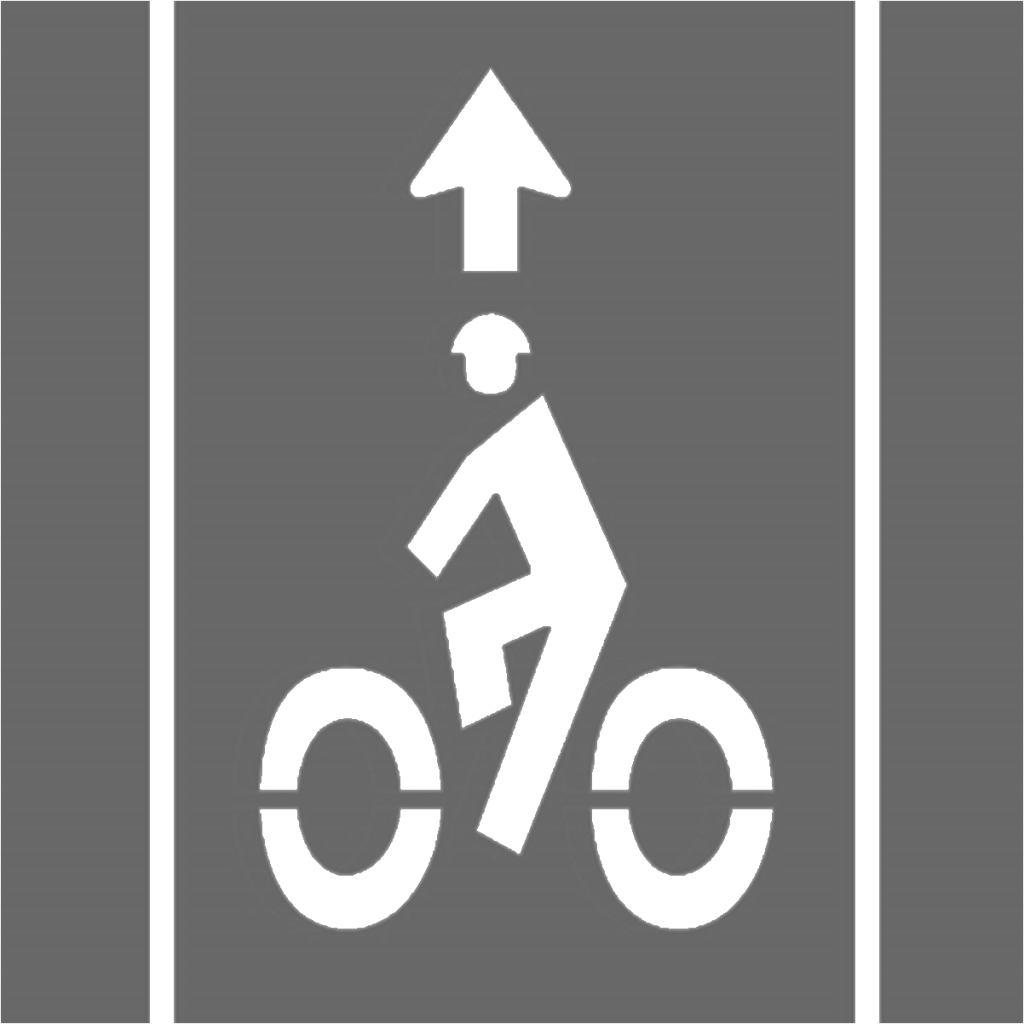
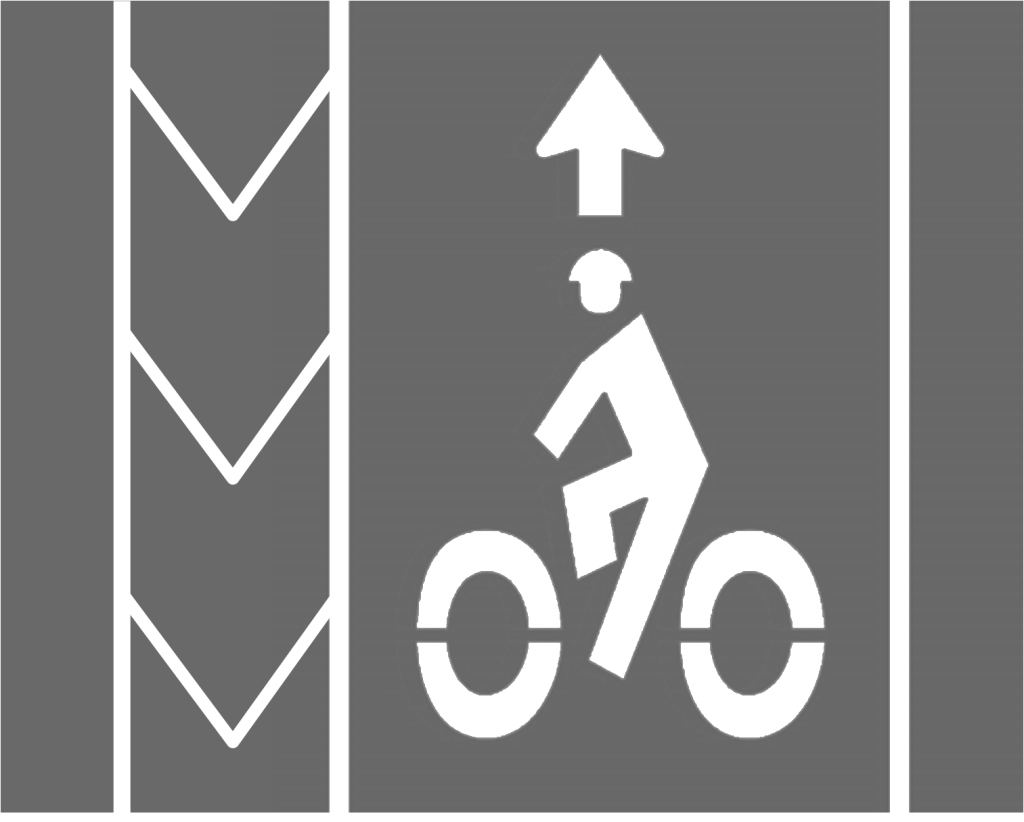
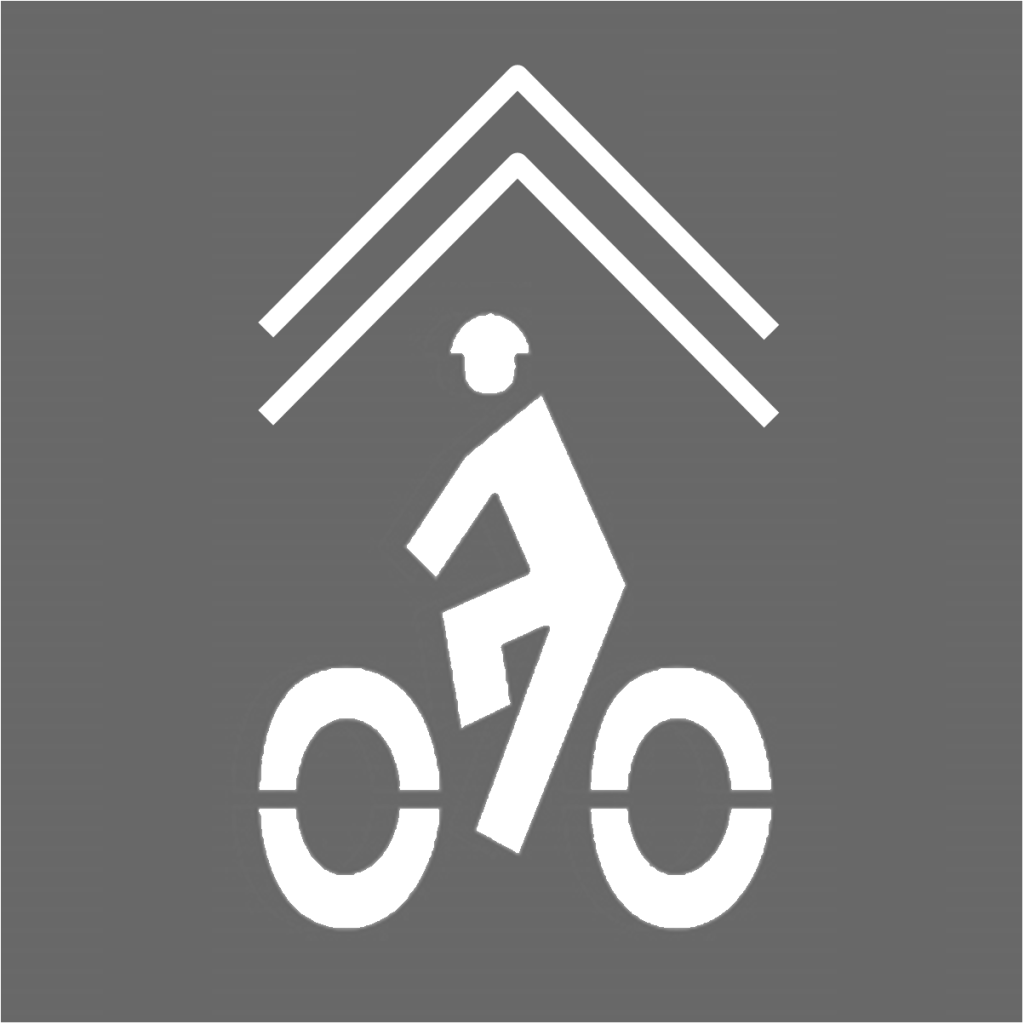
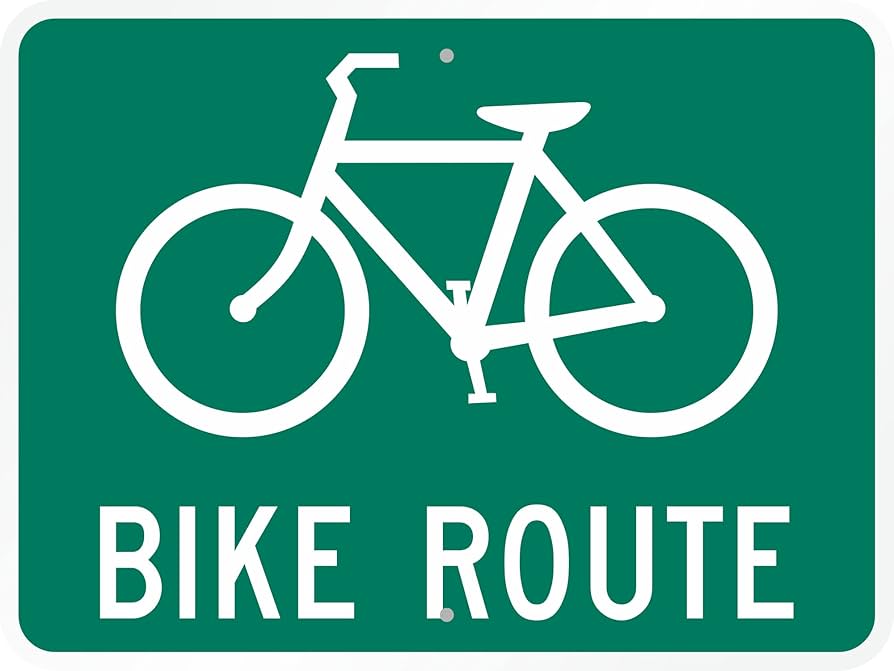
Bike Lanes
Buffered Bike Lanes
Bike Symbols Only
Bike Symbols Only
Designated part of the road for cyclists only. Marked by solid lines. Drivers should only cross them when turning or parking, and must yield to cyclists first.
Designated part of the road for cyclists only. Marked by solid lines and a buffer space to provide extra distance between cyclists and vehicles. Drivers should only cross them when turning or parking, and must yield to cyclists first.
A bike symbol that is not in a bike lane highlights a designated bike route. Drivers can use these lanes as usual. Reminders for drivers to watch for cyclists.
Suggested route for cyclists to reach a specific destination, typically using streets with low traffic volume. Reminders for drivers to watch for cyclists.
Bicycle Road Markings
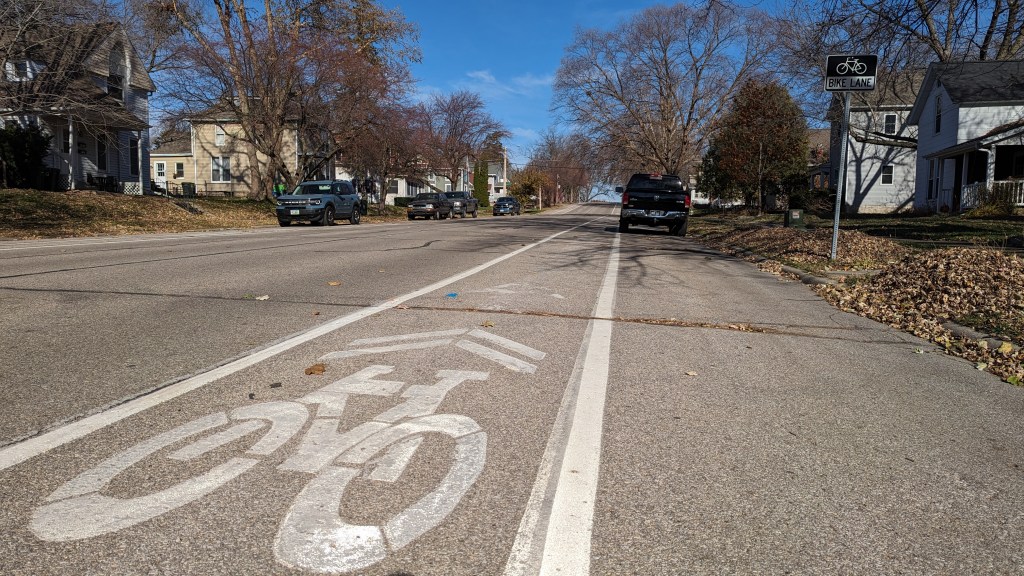
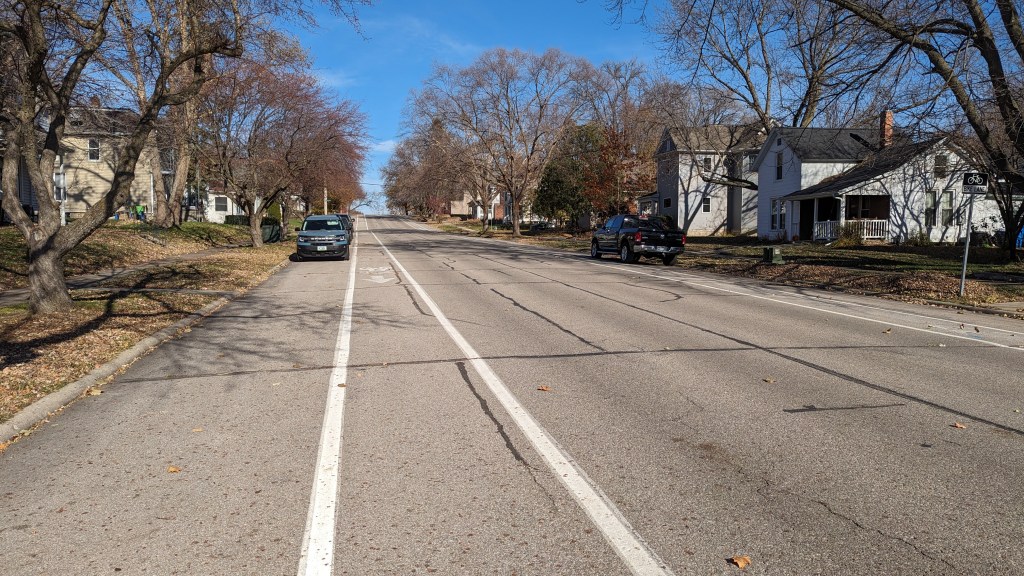
Bike Lanes
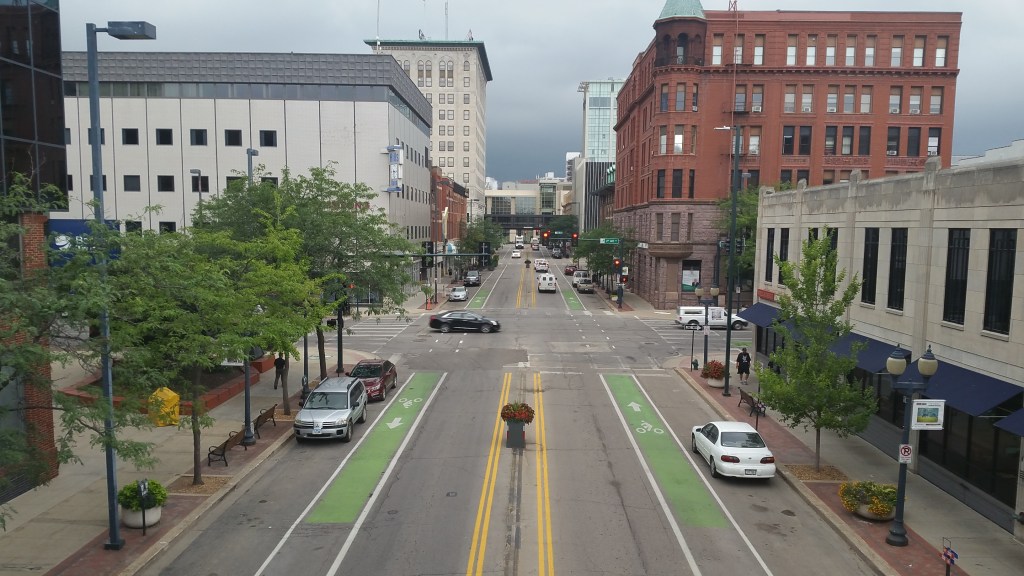
Designated section of the road next to the travel lane reserved for cyclists, usually on the right side and marked with arrows and signs. Vehicles are not allowed to park or drive in bike lanes. When making a right turn, drivers must yield to any bicycle traffic and merge into the bike lane prior to making the turn. Dashed lines at intersections and driveways mark Merge Zones, where drivers can carefully cross over the bike lane to make a turn.
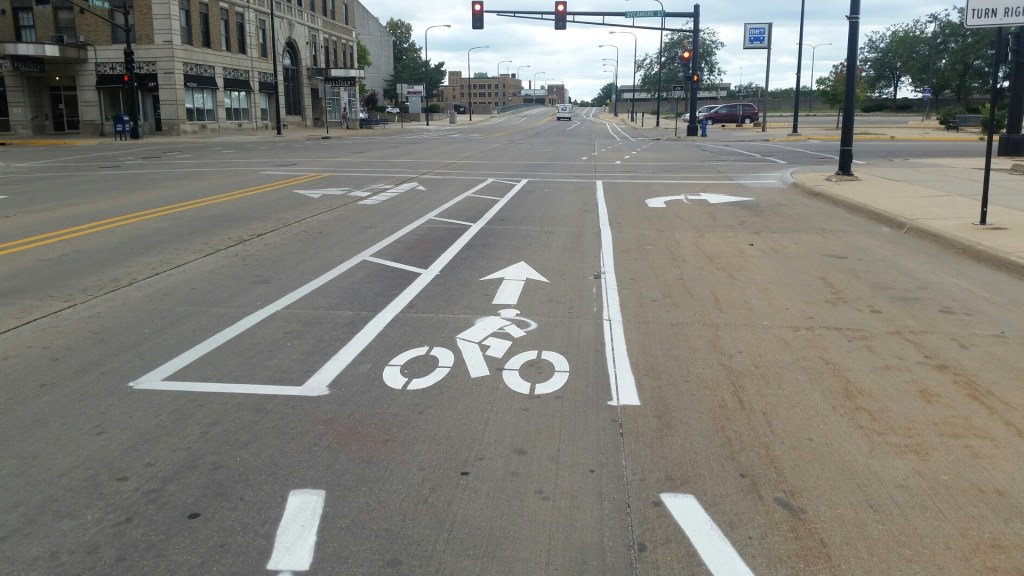
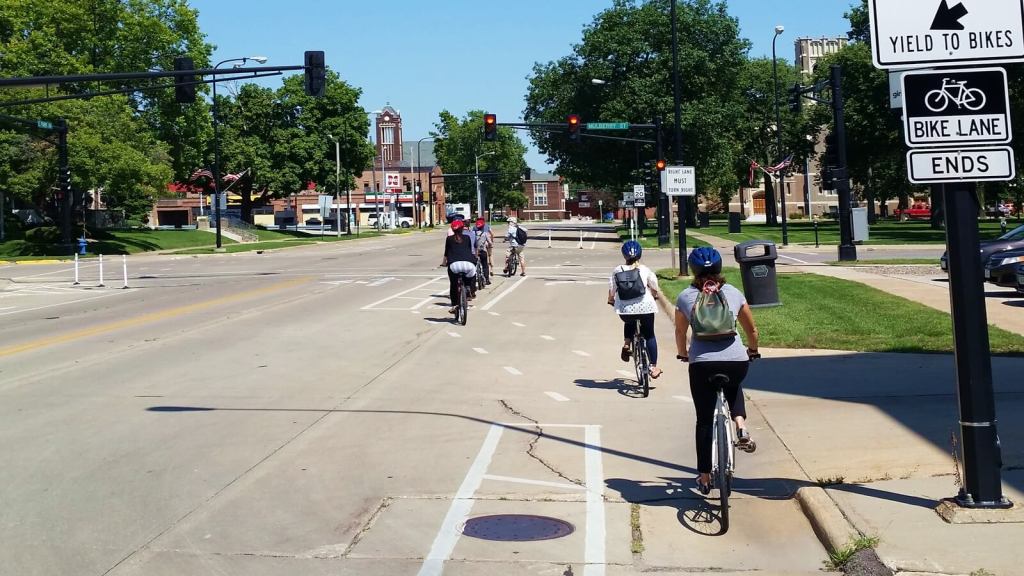
Buffered Bike Lanes
Dedicated section of the road adjacent to the travel lane with added space or markings between cyclists and motor vehicles. This buffer enhances safety by providing extra distance between bikes and cars. Vehicles cannot park or drive in buffered bike lanes, and drivers must yield to cyclists when turning right, merging into the bike lane before making the turn. Dashed lines at intersections and driveways indicate Merge Zones, where drivers can carefully cross the bike lane to turn.
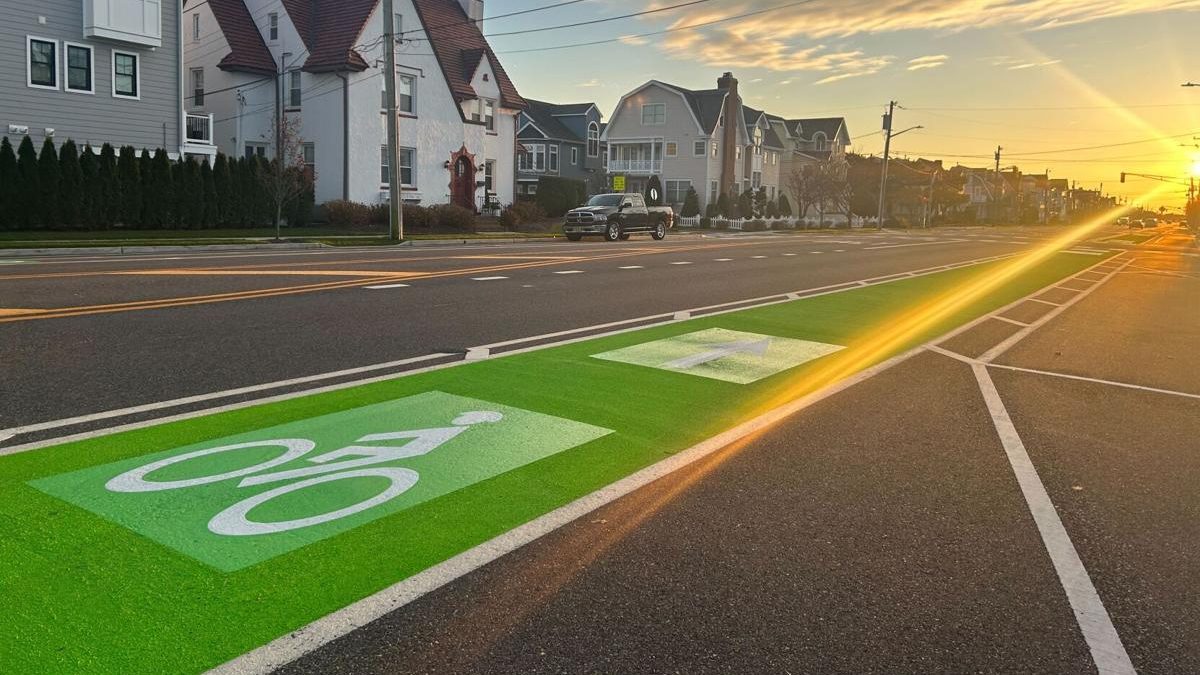
Green Bike Lanes
Highly visible cycling path marked with bright green paint to significantly enhance safety and visibility. This vibrant color helps alert drivers to the presence of bike traffic, particularly in areas where conflicts are more likely, such as intersections or driveways. By clearly distinguishing the cycling area, green bike lanes promote safer interactions between cyclists and motorists and encourage more people to bike with confidence.
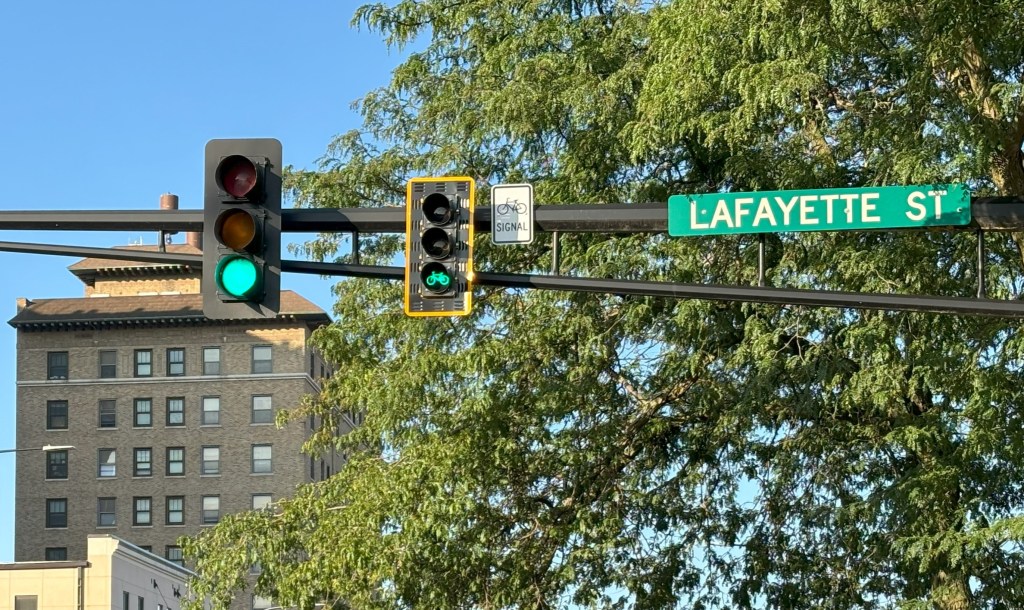
Bicycle Signals
Traffic lights providing dedicated phases for cyclists, allowing them to safely navigate through intersections separate from motor vehicles. By clearly indicating when it’s safe for bikes to proceed, bicycle signals reduce the risk of collisions, improve traffic flow, and enhance overall safety for cyclists and other road users. Currently limited to the Park Avenue Bike Lanes in Waterloo.

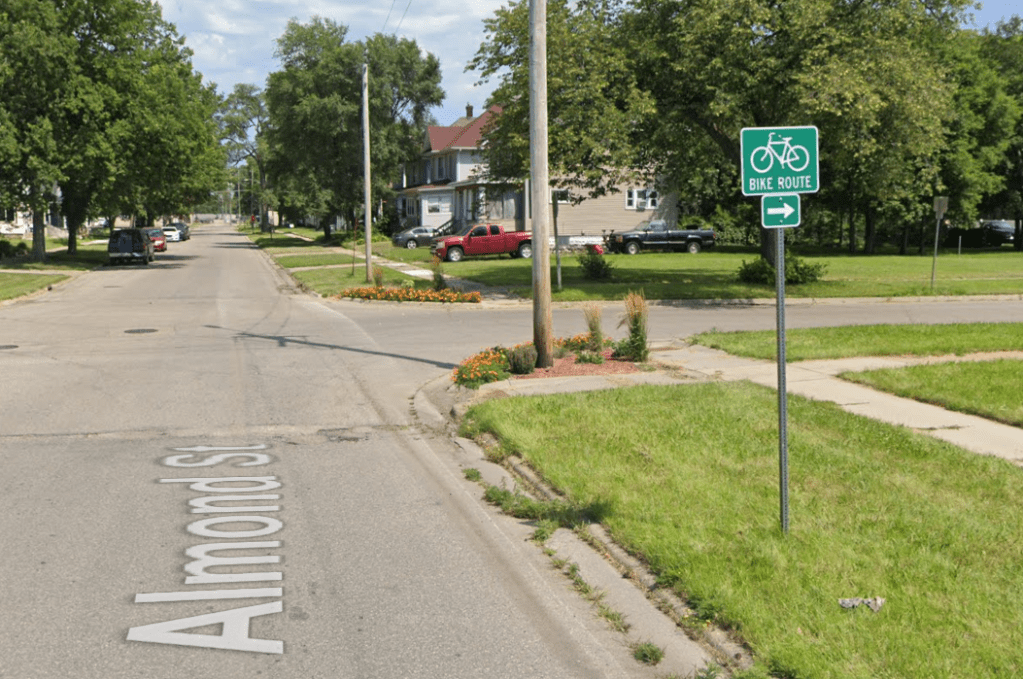
Bike Route and Wayfinding Signs
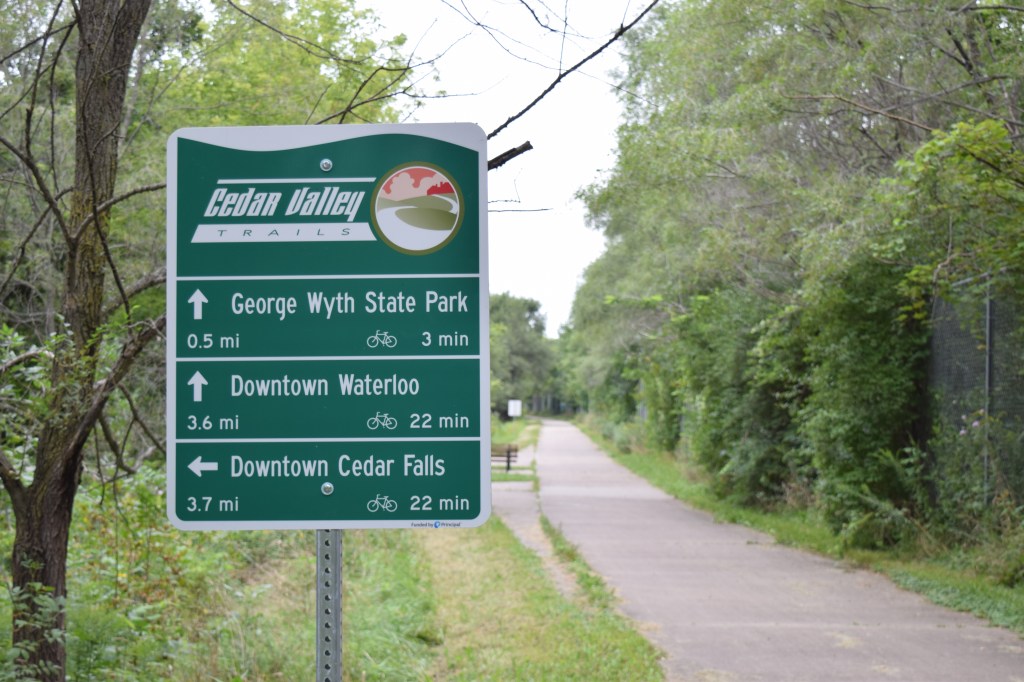
Bike Route Signs indicated designated streets recommended for cyclists. These signs guide riders along the most efficient routes, often connecting key destinations like parks, schools, and trails.
Bike Wayfinding Signs provide detailed directional information, helping cyclists navigate to their destination by showing distances, directions, and time estimates. These signs enhance connectivity and make it easier for cyclists to find their way around the community.
Shared Lane Markings
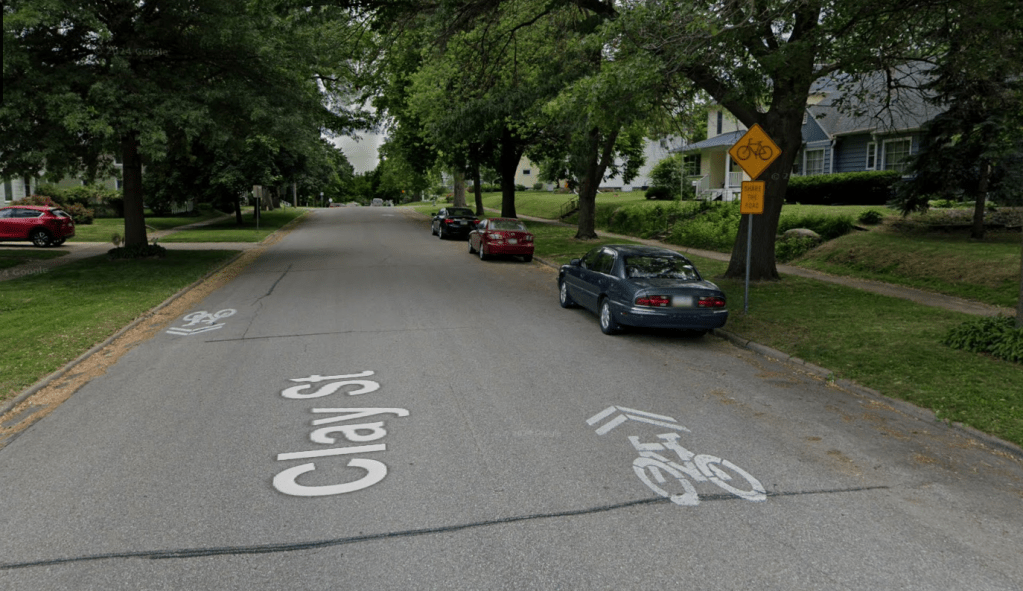
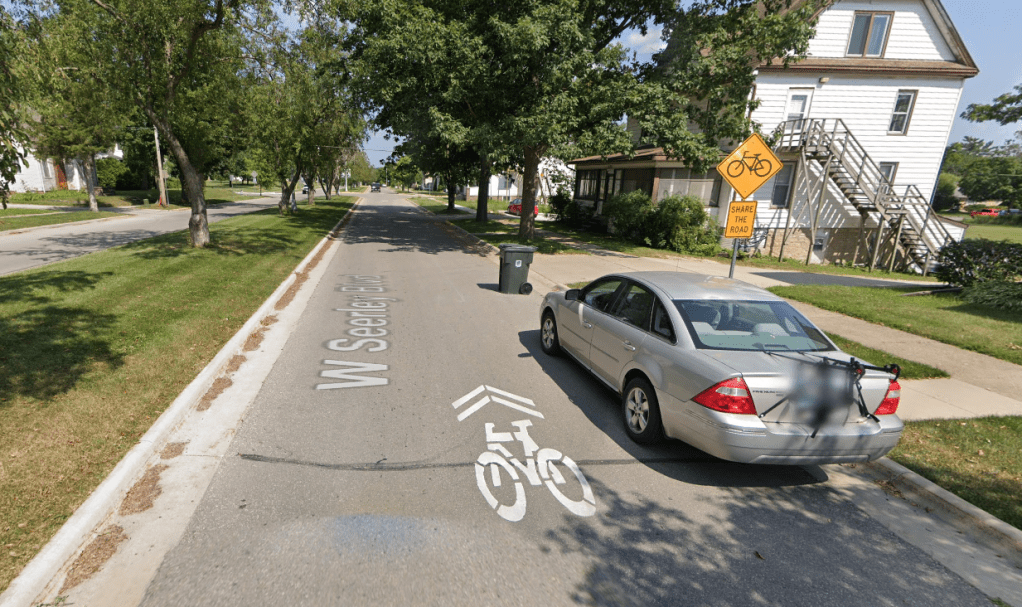
Shared lane markings are pavement symbols and signs that indicate bike routes within travel lanes and remind both motorists and cyclists to share the road safely. Properly placed markings help cyclists avoid the door zone of parked cars. Vehicles can use these lanes but must give cyclists at least three feet of clearance when passing. The markings feature a bicycle symbol and chevrons, and signs may include “Share the Road” or “Bike May Use Full Lane.”
Additional Facilities
Paved Shoulders
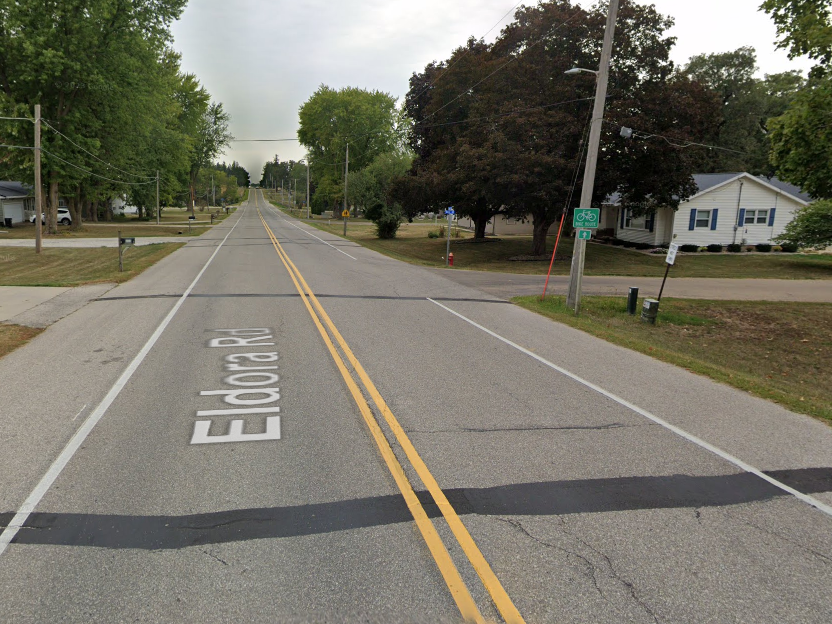
Located alongside the roadway travel lanes, shoulders are designed for stopped or disabled vehicles. Bicyclists can legally ride on shoulders, but it’s not mandatory. When wide enough, shoulders can accommodate cyclists on rural roads that are too busy for safe shared travel.
Rectangular Rapid Flashing Beacons (RRFB)
Pedestrian-activated warning lights used at crosswalks to alert drivers to the presence of people crossing the street. These beacons emit bright, rapid flashes when activated, making them highly visible and improving bicycle and pedestrian safety.

Contact Us
229 E Park Ave
Waterloo, IA 50703
(319)-235-0311
inrcog@inrcog.org
Title VI
The MPO receives federal funding and may not discriminate against anyone on the basis of race, color, or national origin according to Title VI of the Civil Rights Act of 1964. For more information or to obtain a Title VI complaint form, click here.
Disclaimer
This website serves as a means of public access to MPO information and services. This website is subject to change without notice. Use of the information provided is the sole responsibility of the user.
.
 Black Hawk County MPO